Trying to decide between a condo and a townhome in Santa Monica can feel like comparing palm trees to ocean breezes. Both offer great Westside living, but the day-to-day experience, costs, and financing can be very different. You want clarity you can trust so you can choose confidently and act fast when the right place hits the market. This guide breaks down ownership differences, HOA rules, insurance and lending checkpoints, neighborhood trade-offs, and a practical due-diligence checklist tailored to Santa Monica. Let’s dive in.
Santa Monica market at a glance
Santa Monica is a high-cost coastal market where product type and location matter. Recent reports show a typical citywide home value near 1.6 million, with a median sale price around 1.5 million. Condos have recently traded in the roughly 1.16 to 1.35 million median range, with price per square foot often near 970 to 1,000. Ocean-facing and downtown units command the largest premiums.
Inventory for condos increased in 2024 and 2025, and time on market lengthened modestly compared to the frenzy years. Well-presented units in walkable or beachfront locations still sell fastest. Expect meaningful spreads by neighborhood, building age, unit size, parking, outdoor space, and views.
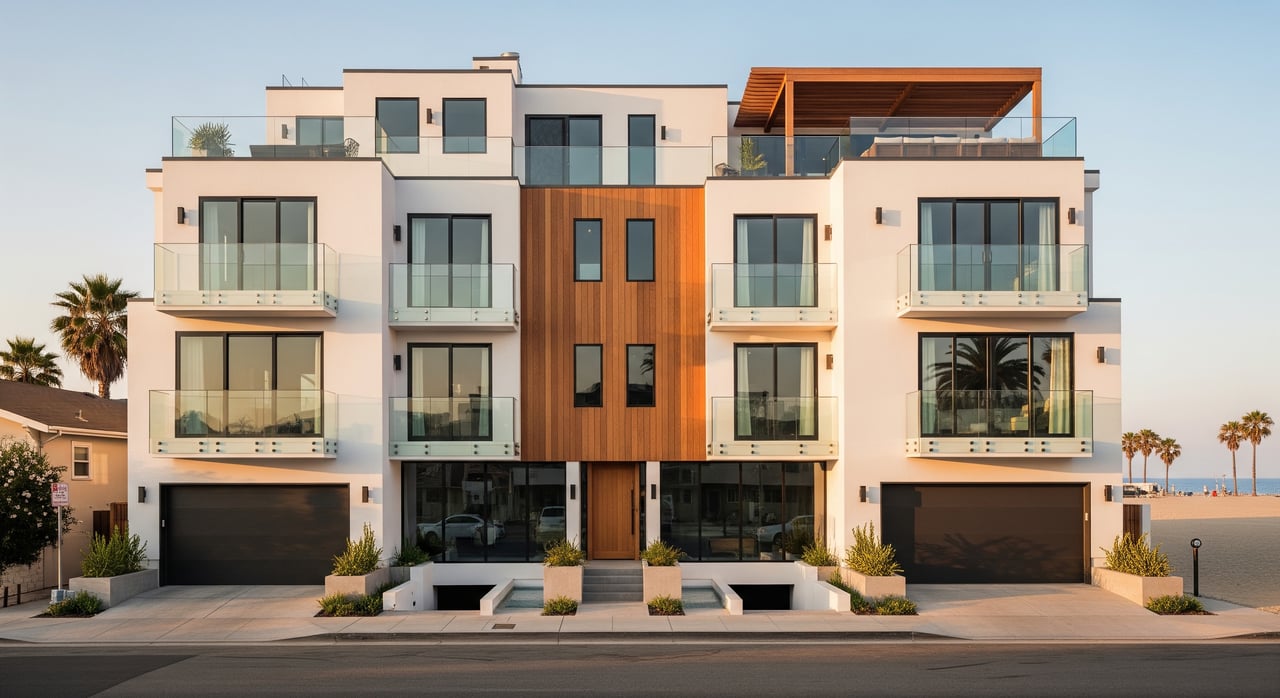
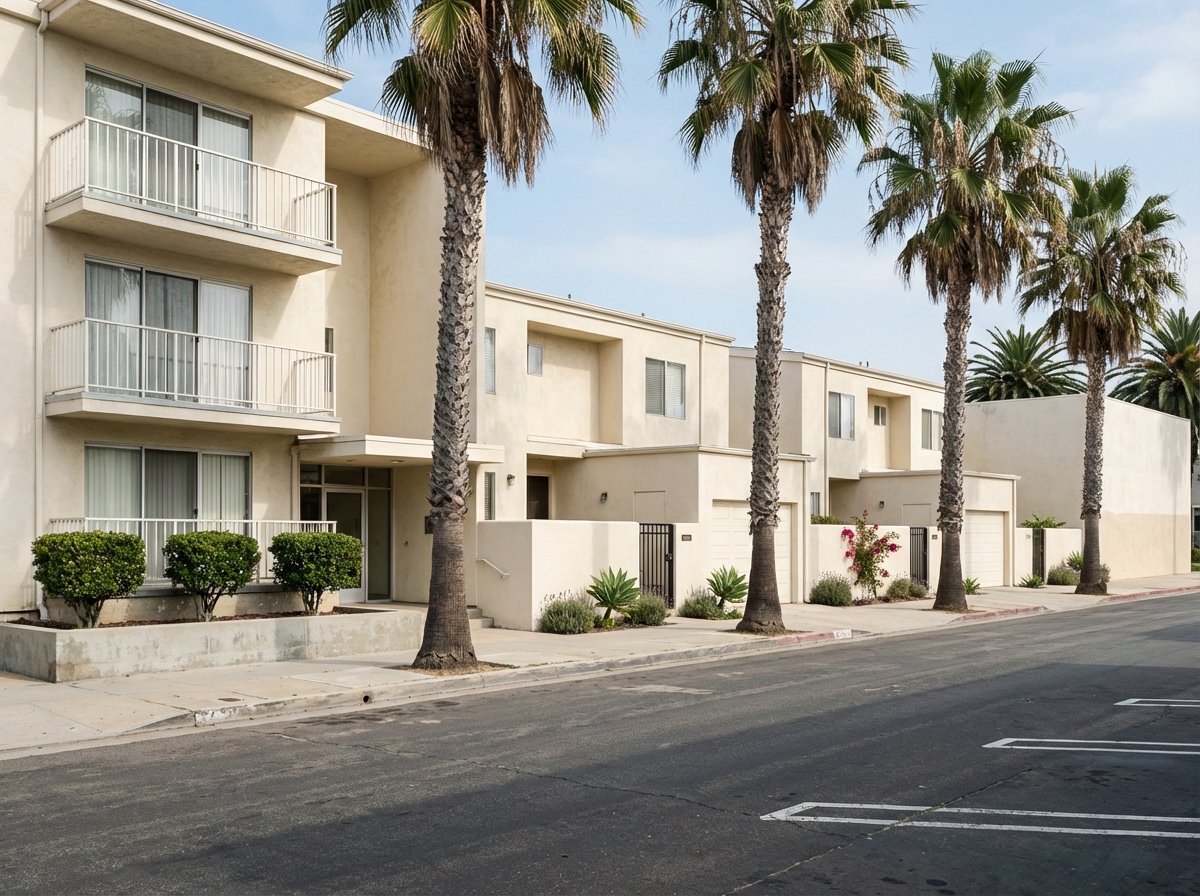
When touring, you will notice clear neighborhood tiers. Downtown and Ocean Avenue buildings tend to be mid to high rise with stronger amenity packages and higher HOAs. Wilshire-Montana offers a mix of stylish, mid-size buildings near shops and cafes. Ocean Park and Pico deliver a more residential feel, with more townhome options and pockets that feel quieter while still staying close to the beach.
Condo vs townhome: what actually differs
Ownership and maintenance
“Condo” describes a form of ownership. You typically own the interior of your unit while sharing ownership of common elements like the structure, grounds, and amenities with other owners. The HOA handles most exterior maintenance and common systems. A “townhome” is an architectural style, usually multi-level and attached, that can be owned as a condo or as fee simple land within a planned development. The label in a listing is not enough. The recorded CC&Rs and plat map determine who fixes what and how the HOA operates. For a clear explanation of these definitions, see this overview of the condo vs townhouse distinction.
In practice, fee-simple townhomes in planned developments can come with more owner responsibility for items like the roof, small yard, and exterior, which sometimes means lower HOA dues but more hands-on upkeep. Townhomes that are legally condos tend to function like other condos for maintenance rules and lender reviews. Always confirm the legal form before you compare monthly costs.
HOA rules, reserves, and buyer protections
Most shared-ownership communities in California are governed by the Davis-Stirling Common Interest Development Act, which sets standards for disclosures, budgets, reserves, and recordkeeping. This is a major source of buyer protections and HOA obligations. California law also requires annual budget disclosures and reserve summaries, and associations typically complete a full reserve study with a site inspection on a multi-year cycle. A healthy reserve level reduces the risk of surprise special assessments.
For both condos and townhomes, ask for the HOA budget, the latest reserve study, CC&Rs, bylaws, house rules, and board meeting minutes. Read for planned capital projects, pending litigation, and rules that affect your lifestyle and exit strategy like pet policies, rental caps, and renovation requirements. California’s consumer guidance on HOAs is a helpful reference on what to request and how to read it.
Costs, HOA dues, and insurance
Condo HOA dues in full-service buildings along Ocean Avenue and Downtown often run higher because of elevators, staff, amenities, and complex systems. Townhome dues can be lower when owners carry more exterior and roof responsibility. Either way, compare what is covered before you compare dues. Some HOAs include water and trash. Others include cable or internet. Many do not.
Condo owners usually carry an HO-6 policy that covers interior finishes, personal property, liability, and loss assessment. The scope of coverage depends on the HOA’s master policy. Some master policies are “bare walls,” which shifts more interior coverage to you. Others are more inclusive. Ask for the master policy and confirm deductibles and exclusions. An HO-6 condo policy overview is a good primer on how the two policies fit together.
Because Santa Monica is coastal and in an earthquake zone, both HOA master-policy deductibles and individual premiums can be higher. If the HOA carries an earthquake policy with a large deductible, confirm whether a special assessment could be used to fund it after a claim and whether your HO-6 covers loss assessments.
Financing checklist for condos and townhomes
Warrantability and project approval
When you buy a condo, lenders review the building itself. Fannie Mae and Freddie Mac use project-level eligibility rules that look at owner-occupancy, reserve funding, delinquency rates, commercial space, single-entity ownership, pending litigation, and project completion. Units in projects that meet these standards are generally considered warrantable and have broader, more favorable financing options. You or your lender can check a building’s status against Fannie Mae’s Condo Project Manager criteria.
If you plan to use FHA or VA financing, the condo project must be FHA or VA approved. You can verify a building’s status on HUD’s FHA-approved condo lookup tool. If approval is not current, ask your lender about timelines and feasibility before you rely on those programs.
Conforming vs jumbo in Los Angeles County
Given Santa Monica prices, many loans fall into high-cost conforming or jumbo territory. Industry guidance for 2026 lists a high-cost conforming ceiling around 1.25 million for a one-unit property. Loans above the county limit are jumbo and usually require larger down payments, stronger qualifying ratios, and more cash reserves. You can review 2026 conforming loan limits and confirm current county limits with your lender early.
Lender questions to ask on day one
- Is the building already approved under Fannie Mae or Freddie Mac standards, or will you complete a project review? What documents will you need from the HOA?
- If using FHA or VA, is the project approved now or can approval be obtained within your escrow timeline? Check HUD’s condo lookup.
- Will your loan be conforming or jumbo for Los Angeles County this year? If jumbo, what down payment and reserves will be required?
Neighborhood and lifestyle trade-offs
Downtown and Ocean Avenue condos
If you want low-maintenance living near the Promenade, Metro, and the Pier, focus on Downtown and Ocean Avenue. You will see more mid to high-rise buildings, elevators, shared amenities, and balconies rather than private yards. Expect premiums for ocean views and full-service buildings, along with higher HOA dues that reflect staffing and amenities.
Wilshire-Montana options
Wilshire-Montana offers a blend of stylish mid-size buildings close to shops and dining. Many residents choose this area for a balanced lifestyle that is walkable yet a touch quieter than the core of Downtown. You will find a mix of updated condos and some townhome-style units within condo communities.
Ocean Park, Pico, and Sunset Park townhomes
In Ocean Park, Pico, and Sunset Park you will encounter more townhomes with private entries, attached garages, and small patios or yards. These homes feel more house-like and often have multi-level floor plans. They can be legally deeded as condos or as fee-simple lots within a planned development, so check the CC&Rs to understand maintenance and financing implications.
Privacy and daily living
If you value a private entry, attached garage, and limited shared spaces, a townhome will usually fit better. If you prefer convenience, amenities, and professional management where the HOA handles the exterior and grounds, a condo can be a great match. Think about storage, bike parking, EV charging, pet rules, guest parking, and how you plan to use outdoor space year-round.
Due diligence: documents to request
Before you escalate your offer or remove contingencies, request and review the following. These items are routine for California common-interest developments and give you the clearest picture of risk and cost.
- HOA annual budget, income and expense statements, the most recent reserve study, and confirmation of the last site inspection. California law requires annual budget and reserve disclosures, and a regular reserve study schedule.
- CC&Rs, bylaws, house rules, and any amendments. Focus on rental caps, pet policies, parking rules, alteration procedures, and short-term rental restrictions. The Davis-Stirling Common Interest Development Act overview explains how these rules work in California.
- Minutes from the last 12 to 24 months of board and owner meetings. Read for deferred maintenance, vendor disputes, special assessments, construction projects, and litigation.
- Master insurance policy and a coverage summary. Confirm if the master policy is bare walls or more inclusive, and note deductibles, especially for earthquake. An HO-6 guide helps you plan the right walls-in coverage and loss assessment protection.
- Litigation disclosures and details on major capital projects planned or completed in the last five years. These can affect financing and resale.
- Owner-occupancy and delinquency rates. These figures matter for warrantability and loan options under Fannie Mae criteria.
- Seismic retrofit status for older buildings. Check whether the property is on a soft-story or non-ductile concrete retrofit list and the compliance timeline. Santa Monica’s seismic retrofit progress has been significant, but costs can still drive assessments.
- If you plan to rent later, confirm whether the unit is subject to Santa Monica rent control and how any condo conversion or vacancy rules apply. Start with the Santa Monica Rent Control Board guidance.
- For general consumer tips on interacting with HOAs and understanding documents, see California’s HOA consumer guidance.
Red flags that affect resale and financing
- Repeated or large special assessments with thin reserves.
- Significant pending litigation or unresolved construction defects.
- Low owner-occupancy, high delinquency rates, or inadequate reserve funding that could hurt warrantability.
- Very large master-policy deductibles without a clear plan for funding them after a claim.
Any of these can restrict financing options, increase your monthly costs, or reduce buyer demand when you sell. Your lender will screen for many of these issues during project review using Fannie Mae’s eligibility standards. Spotting them early gives you leverage to negotiate or pivot.
Which is right for you: quick guide
Choose a condo if you want:
- Low-maintenance living with exterior and amenities handled by the HOA.
- Elevator access, concierge-style services, pools or fitness rooms.
- Walkability to the Promenade, Pier, and Metro with strong amenity trade-offs.
- Predictable upkeep, even if dues are higher in full-service buildings.
Choose a townhome if you want:
- A private entry, attached garage, and more of a house-like layout.
- A small yard or patio with fewer shared corridors and elevators.
- Often lower HOA dues, understanding you may handle more exterior items.
- A quieter, residential feel in areas like Ocean Park, Pico, or Sunset Park.
Still weighing both paths? Let an experienced Westside advisor help you line up HOA records, project eligibility, and apples-to-apples cost comparisons. If you are ready to tour, I can calibrate options by neighborhood and building so you move decisively when the right home appears.
Ready to compare condos and townhomes in Santa Monica side by side? Work with a local expert who knows the buildings, the lenders, and the trade-offs that matter. Work With Steven by connecting with Steven Kirshbaum.
FAQs
What is the main difference between a condo and a townhome in Santa Monica?
- A condo is an ownership form where you own the interior and share the building and land, while a townhome is an architectural style that can be owned as a condo or fee simple within a planned development; always verify the CC&Rs and plat to know who maintains what and how financing applies.
How do HOA reserves and special assessments affect me as a Santa Monica buyer?
- California associations must disclose budgets and reserves, and a well-funded reserve reduces the chance of near-term special assessments that raise your costs; ask for the current reserve study and annual disclosures and read recent meeting minutes for planned projects.
What should I know about financing a Santa Monica condo?
- Lenders screen the project for warrantability using Fannie Mae standards that review occupancy, reserves, delinquencies, litigation, and more; if you need FHA or VA, confirm the project is on HUD’s approved list early to avoid delays.
Do I need earthquake coverage for a Santa Monica condo or townhome?
- Earthquake risk is a real factor, and HOA master policies can have large deductibles; review the master policy and consider HO-6 loss assessment coverage while also checking whether the building has completed any required seismic retrofits.
Are Santa Monica condos subject to rent control if I plan to rent later?
- Many units built before April 10, 1979 are under rent control with rules that shape rents and tenant protections; verify coverage and any condo conversion or vacancy provisions with the Santa Monica Rent Control Board before you buy.
What loan amount counts as jumbo in Los Angeles County?
- Industry guidance for 2026 places the one-unit high-cost conforming ceiling around 1.25 million, so loans above that are generally jumbo with larger down payment and reserve requirements; confirm the exact current-year limit with your lender early.