Wondering whether you should renovate before listing, or skip the hassle and sell your Beverly Hills home as is? It is a smart question, especially in a market where price points, buyer expectations, and approval timelines can vary widely from one property to the next. If you are weighing cost, timing, and likely return, this guide will help you sort through the tradeoffs and make a more confident decision. Let’s dive in.
Why the answer depends on your Beverly Hills property
Beverly Hills is not a one-size-fits-all market. As of early 2026, Zillow reported an average home value of $3,662,756, Redfin showed a March 2026 median sale price of $9.0 million with 117 days on market and about one offer per home, and Realtor.com reported a median listing price of $5,622,500 with 373 active homes and a 62-day average time on market.
Those numbers do not conflict as much as they reflect different slices of the market. The practical takeaway is simple: whether renovation makes sense depends on your home’s price tier, condition, and the buyers it will compete against.
A lightly dated home in one segment may still attract strong interest if priced well. In another segment, buyers may expect a polished, move-in-ready presentation and discount heavily for visible wear or unfinished projects.
When renovating usually makes sense
In many cases, the best pre-listing strategy is not a major remodel. It is a focused refresh that improves first impressions and removes obvious buyer objections without dragging you into a long timeline.
Research supports that approach. In the Pacific region, the 2024 JLC Cost vs. Value report found especially strong cost recovery for projects like garage door replacement, steel entry door replacement, manufactured stone veneer, minor kitchen remodels, and midrange bath remodels.
At the same time, high-end overhauls tend to recover much less. The same report showed lower recoupment for upscale major kitchen remodels, upscale bath remodels, and upscale primary suite additions.
That pattern matters in Beverly Hills. If your home already sits in the right value range for its area, a clean, strategic refresh may help more than an expensive luxury renovation that buyers still view as someone else’s design choice.
Smart updates that may help before listing
If your home is generally competitive but needs polish, these are often the first places to look:
- Full interior painting
- Limited exterior touch-ups where allowed
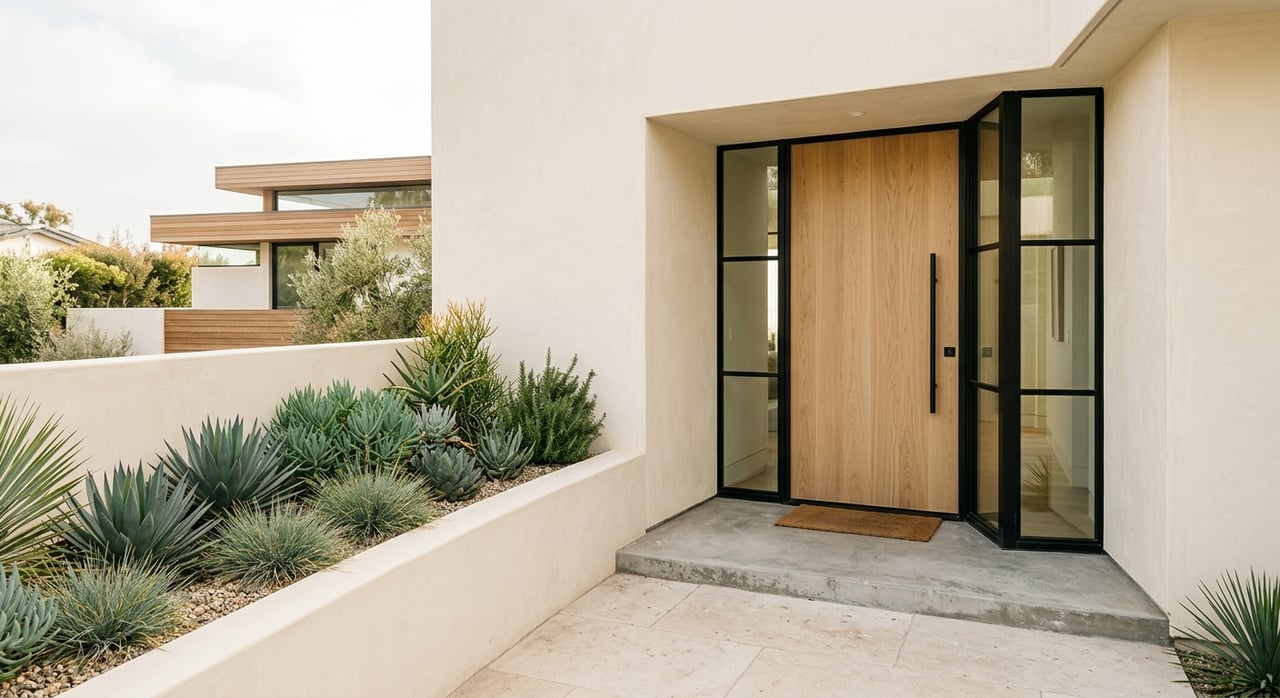
- Front door replacement or refresh
- Garage door replacement
- Minor kitchen improvements instead of a full gut remodel
- Midrange bathroom updates
- Roofing work if the roof shows wear
- Repairs for visibly damaged finishes or fixtures
According to NAR’s 2025 Remodeling Impact Report, Realtors most often recommend painting the entire home, painting one room, and new roofing before listing. The report also notes that 46% of buyers are less willing to compromise on a home’s condition.
That does not mean you need to make everything brand new. It means obvious wear, deferred maintenance, and dated presentation can reduce your leverage more than many sellers expect.
When selling as is may be the better move
Selling as is can make sense when the work needed goes beyond cosmetic improvement and starts becoming a larger construction project. In Beverly Hills, that can mean more cost, more approvals, and more schedule risk than sellers initially plan for.
This path often deserves serious consideration if your home needs structural work, major systems work, extensive design changes, or a full luxury remodel that may not recoup enough value. The same is true if you want speed, privacy, or a simpler sale process and would rather let the next owner take on the project.
The strongest case for selling as is is usually when renovation would be permit-heavy, expensive, and difficult to justify against likely resale recovery. If the work will not clearly improve your home’s position versus nearby competing listings, adding more cost may not improve your outcome.
Signs selling as is may fit your situation
Selling as is may be worth considering if:
- Your home needs extensive work beyond cosmetics
- The project is likely to require permits or design review
- The property appeals to buyers looking for a project or redevelopment angle
- Your timeline is short
- You want to avoid managing contractors and approvals
- The likely renovation cost is high relative to the price improvement you can reasonably expect
In a mixed market like Beverly Hills, some buyers will pay for turnkey condition. Others specifically want the chance to renovate to their own taste. The key is identifying which buyer pool is most likely for your property.
Beverly Hills permit and design review issues
One of the biggest reasons sellers regret pre-listing renovation is underestimating approval friction. In Beverly Hills, even a seemingly straightforward update can become more involved depending on the property’s location and the type of work.
The city divides single-family properties into the Central Area, Hillside Area, and Trousdale Estates. In the Central Area, visible exterior changes such as façade remodels, painting, window replacement, and new roofing can require design review.
Some Central Area projects fall under Track 1, which requires a licensed California architect and a pure architectural style. Other projects go through Track 2 review by the Design Review Commission.
The Hillside Area does not have the same design review process, but that does not mean you can assume no approvals are needed. The city also states that building permits are required for structural alterations, internal and external improvements, general repairs, new construction, and demolition.
That is a major decision point. If your update is truly cosmetic and low-friction, it may be worth doing. If it starts to trigger permit fees, design review, or long contractor lead times, the case for selling as is can get much stronger.
A practical Beverly Hills question to ask first
Before you renovate, ask this: Will this work stay simple, or will it turn into an approval process?
That one question can save you time and money. A modest refresh with minimal friction is very different from a project that expands once plans, permits, or visible exterior work are involved.
How buyer expectations affect your decision
Condition matters most when buyers are comparing your home against nearby alternatives. If your property is going to compete with recently updated or newer homes, dated finishes and visible defects may stand out more sharply.
Zillow’s bathroom ROI guidance makes this point well. Returns depend on local comparables, the risk of overimprovement, whether the home is competing with new construction, and whether the room has real issues such as cracked tile, mold, water damage, or substandard electrical.
That is why the right question is not “Will renovation add value?” The better question is “Will this renovation make my home more competitive for the buyers and price band I am targeting?”
If the answer is yes, a focused update may help. If the answer is no, you may be better off pricing accordingly and selling as is.
Fix defects before listing if buyers will notice them
Some problems are too visible or too serious to ignore. Even if you plan to sell as is, there may be specific items worth addressing because they are likely to surface quickly during inspections or showings and become negotiating pressure points.
That can include active water damage, broken fixtures, cracked finishes, worn roofing, or safety-related issues that distract from the home itself. These are not always expensive full remodel jobs. Sometimes they are targeted repairs that help preserve value and reduce avoidable objections.
A good rule is to separate true defects from style choices. Buyers may overlook a dated vanity more easily than evidence of moisture intrusion or deferred maintenance.
What “as is” really means in California
If you decide to sell as is, it is important to understand what that does and does not mean. In California, selling a property as is does not eliminate your disclosure obligations.
California Civil Code section 1102 applies to most single-family residential transfers, and any waiver of its requirements is void. The California Department of Real Estate states that the Transfer Disclosure Statement must be delivered before transfer of title, and it is not a warranty.
The DRE guidance also notes that sellers may need to disclose environmental hazards such as asbestos, radon gas, lead-based paint, formaldehyde, fuel or chemical storage tanks, and contaminated soil or water. In other words, selling as is may shift repair decisions, but it does not remove the need for transparent disclosure.
A simple decision framework for Beverly Hills sellers
If you are torn between renovating and selling as is, work through these five filters:
- Is your home already competitive for its price band? If yes, you may only need selective updates.
- Will the work stay cosmetic? If permits or design review are likely, be more cautious.
- Is there a known defect that buyers or inspectors will flag? If yes, targeted repairs may be worthwhile.
- Who is the likely buyer? Turnkey buyers and project buyers respond to different presentation strategies.
- Will the renovation truly improve your position against nearby comps? If not, it may just add cost and time.
For many Beverly Hills sellers, the middle path works best. That means handling visible wear, improving presentation, and avoiding oversized remodels with weak recovery.
The bottom line on renovating vs selling as is
In Beverly Hills, renovating before you sell is usually most effective when the scope is limited, the return is reasonable, and the work avoids major approval friction. Selling as is often makes more sense when the project grows into a permit-heavy, high-cost remodel with uncertain payoff.
The right answer depends on your home, your timing, and the buyer you want to attract. With the right pricing strategy, pre-listing guidance, and marketing plan, either path can work when it is matched to the realities of the property.
If you want a clear, property-specific strategy before you make a move, Steven Kirshbaum can help you evaluate condition, positioning, and the smartest path to market for your home.
FAQs
Should you renovate a Beverly Hills home before selling?
- It depends on your home’s condition, price band, buyer expectations, and whether the work is a simple refresh or a larger project that may require permits or design review.
What renovations tend to pay off most before listing in the Pacific region?
- The 2024 JLC Cost vs. Value report showed strong recoupment for garage door replacement, steel entry doors, manufactured stone veneer, minor kitchen remodels, and midrange bath remodels.
When is selling a Beverly Hills home as is a smart option?
- Selling as is may be a strong choice when the home needs extensive work, the renovation would likely trigger approvals, or the likely resale gain does not justify the cost and delay.
Do Beverly Hills exterior updates require city review?
- In some cases, yes. In the Central Area, visible exterior changes such as façade remodels, painting, window replacement, and new roofing can require design review.
Does selling as is in California remove disclosure duties?
- No. California law requires disclosures in most single-family residential transfers, and selling as is does not waive those obligations.
What should you fix before selling a Beverly Hills home?
- Focus first on visible wear, deferred maintenance, and defects buyers or inspectors are likely to notice, especially issues that affect first impression or raise concern about condition.